Home › Plumber Lancaster PA › Gas Line Repair
Gas Line Repair in Lancaster, PA
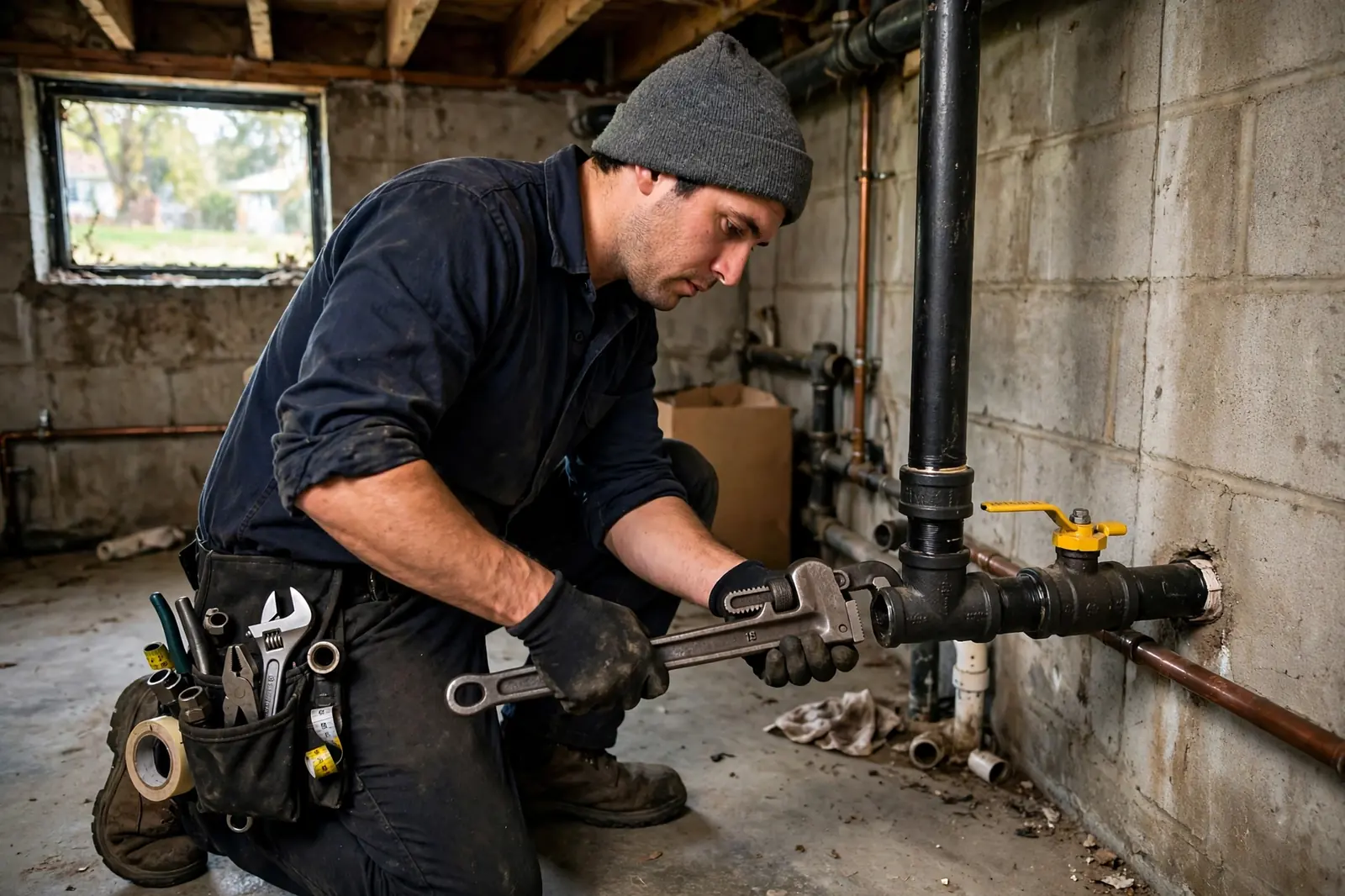
Gas line repair in Lancaster, PA is the professional fixing of a leaking, corroded or damaged pipe that carries natural gas or propane to your furnace, water heater, stove and other appliances. It is safety critical work that follows testing, permits and inspection, and it is never a do it yourself job. If you smell gas right now, leave the home first and call your gas utility or 911 from outside, then call us to connect you with an independent local plumber for the repair stage.
At a glance
What should you do first if you smell gas in your home?
If you smell gas, leave the home immediately, call your gas utility emergency line or 911 from outside, and only then think about repairs. Natural gas is given a rotten egg smell on purpose so leaks are noticed fast. Treat that smell, a hissing sound near a line or meter, or a sudden headache and dizziness indoors as an emergency until professionals say otherwise.
Leave at once, taking people and pets, without using switches, phones or appliances indoors
Do not light matches, start vehicles in an attached garage, or try to find the leak yourself
From outside or a neighbor home, call the utility emergency line or 911
Wait for the utility or emergency crew to declare the home safe before re entering
Do not turn gas back on yourself if the utility shut it off
This connection line is not an emergency service and is never a substitute for the utility or 911. Our role comes after the emergency stage, when the home is safe and a plumber is needed to repair or replace the damaged line, test it and arrange the required checks before gas use resumes.
What is gas line repair and what does it cover?
Gas line repair covers finding and fixing leaks, replacing corroded or damaged sections, refitting faulty connections and pressure testing the line so it holds gas safely. The piping runs from the meter or propane tank through the home to each appliance, and any part of that run, including valves, unions and flexible connectors, can be the source of a problem.
Common repair work includes replacing a section of black iron pipe that has rusted, remaking a threaded joint that has started to leak, replacing a failed shutoff valve, and renewing an appliance connector that has been kinked or damaged. After any repair, the plumber pressure tests the affected line and checks connections for leaks before the system returns to service. That testing step is not optional, it is how a repair is proven rather than assumed.
In Lancaster homes, gas lines serve furnaces and boilers through long heating seasons, plus water heaters, ranges, dryers and fireplaces. Older piping may include materials and fittings that no longer meet current practice, which the plumber will flag during the visit. For urgent non gas problems on the same visit list, see emergency plumber services in Lancaster, PA.
What are the signs of a gas line problem?
The key signs are the rotten egg smell of gas, hissing near piping or the meter, dead vegetation over a buried line, and appliances that suddenly perform poorly. Some signs are emergencies and some are warnings to book a prompt inspection, and knowing the difference keeps you safe without causing panic.
Carbon monoxide risk is part of the same picture. A gas appliance that burns poorly because of a supply or venting problem can produce carbon monoxide, which you cannot smell. Working carbon monoxide detectors on each level and near sleeping areas are essential in any home with gas appliances, and a detector alarm means leave and call for help.
How is a gas leak located and repaired safely?
A plumber locates a leak with electronic detection and leak testing solution, isolates the affected section, repairs or replaces it, then pressure tests the line before it returns to service. The sequence is methodical, because the goal is not just to stop one leak but to prove the whole affected run is sound.
Work starts only when the area is safe and, where needed, the utility has cleared the home. The plumber shuts off gas to the section, tests to narrow the leak to a joint, valve or pipe length, and inspects the rest of the accessible piping for corrosion or damage that suggests a wider problem. The repair itself may be a remade joint, a new valve, a replaced connector or a new section of pipe, fitted to current code requirements.
Why is pressure testing required after repair?
A pressure test fills the isolated line with air at a set pressure and holds it while a gauge is watched. If pressure holds, the line is tight. If it drops, there is still a leak to find. Connections are also checked individually. Only after the line passes testing and any required inspection is complete does the plumber restore service and relight appliances, checking each one operates correctly.
When do you need gas line installation for a new appliance?
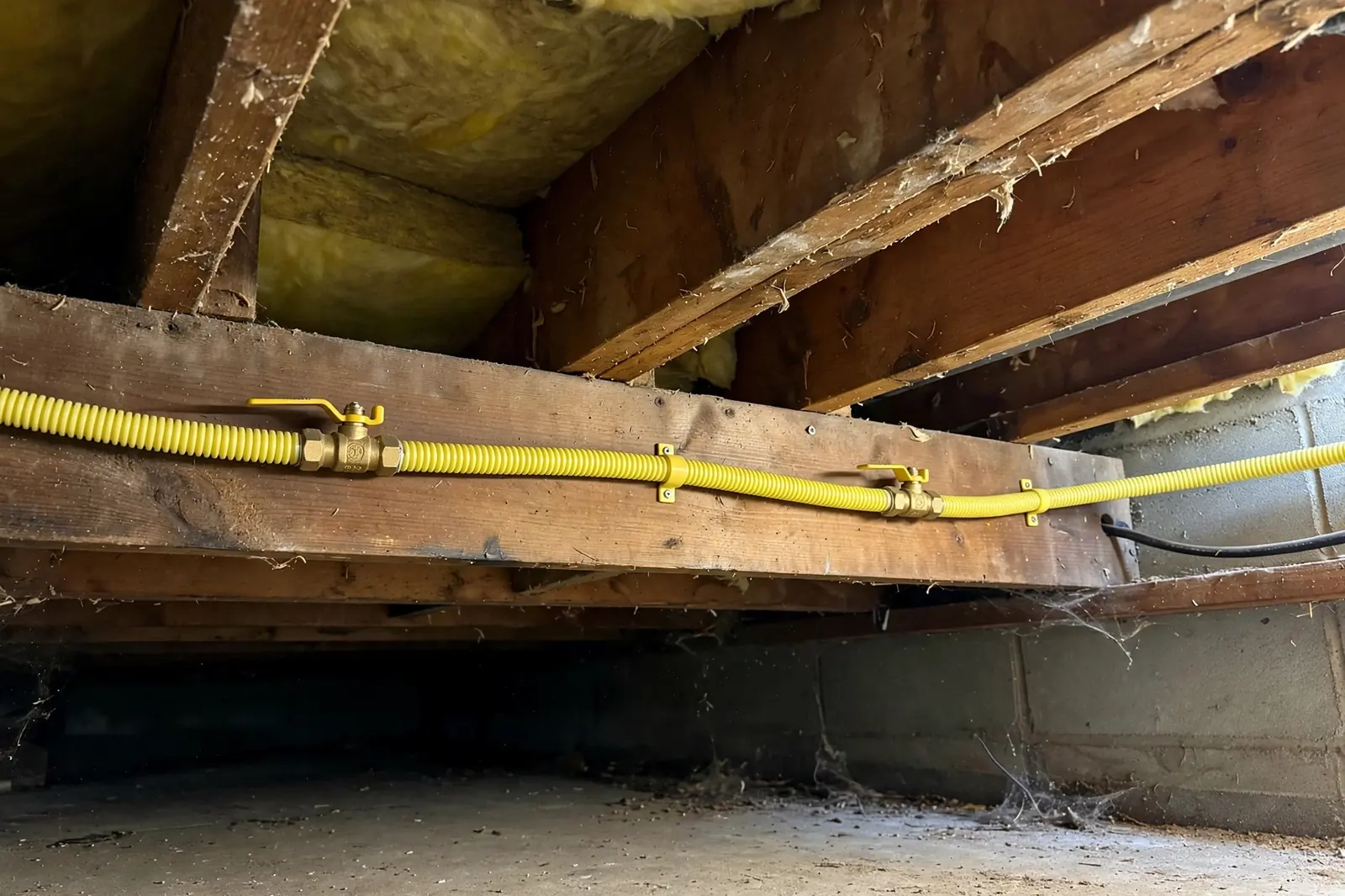
You need gas line installation when you add or move a gas appliance, convert from another fuel, or extend service to a new part of the home, and the new run must be sized, permitted and tested for that load. Installation is planned work, not emergency work, and it is the section of gas work where good design matters most.
Typical Lancaster installations include a line for a new range when a kitchen is remodeled, a run to a gas dryer, a line for a tankless water heater with higher demand than the unit it replaces, and service to a furnace, fireplace, outdoor kitchen or standby generator. Sizing is critical. A pipe that is too small for the combined appliances starves the furthest unit, causing poor performance and unsafe burning, so the plumber calculates the total load and the length of run before choosing pipe sizes.
Installation follows the same discipline as repair: correct materials, shutoff valves at each appliance, pressure testing of the new run, and inspection where local rules require it. Plan the work before the appliance arrives, so the line, venting and clearances are ready together rather than holding up the project.
When does a gas line need replacement instead of repair?
Replacement is needed when piping is corroded along long runs, made of outdated materials, undersized for the appliances it now serves, or damaged in several places at once. At that point repeated single leak repairs leave an ageing system in place, and renewing the run is the safer and more durable answer.
Your plumber should show you the evidence: the extent of visible rust, the results of pressure testing on isolated sections, and any sections that cannot be accessed or verified. Underground and concealed piping deserves particular care, because its condition cannot be judged from one exposed joint. Replacement work reroutes or renews the run in modern approved materials, adds accessible shutoffs, and is tested as a complete system before service resumes.
As with repair, replacement scope and price are agreed with the independent plumber directly, after assessment, and permit and inspection steps are planned into the job from the start.
What affects the cost of gas line work in Lancaster, PA?
Gas line cost is driven by the length of run, pipe size and material, access to the piping, the number of appliances and valves, and permit, testing and inspection requirements. No responsible price exists before an in person assessment, because concealed routes and system condition change the job completely.
Length and route of the line, including concealed or underground sections
Pipe material and diameter required for the appliance load
Number of connections, shutoff valves and appliance hookups
Repair versus new installation versus full replacement scope
Pressure testing, permits and inspections required locally
Access work, such as opening and later closing a wall or ceiling
Plumbing Lancaster PA is a connection service, not a plumbing company. We connect you with an independent local plumber, and you agree the scope and price with that plumber before work starts. For general service information, you can also view the full range of plumber services in Lancaster, PA to see related work handled on the same number.
How does Plumbing Lancaster PA work?
Plumbing Lancaster PA works in 3 steps: call, describe, connect. We are a connection service, not a plumbing company, so the plumber who arrives is a local independent tradesperson, not our employee.
Call one number
Dial (607) 305-8020 any time. The line covers Lancaster city and the whole county service area.
Tell us the problem
Say what is leaking, clogged or cold, and which town you are in. Urgent jobs get flagged urgent.
Get connected locally
We connect you with a local plumber who takes the job. You agree scope and price with the plumber directly.
Need this done in Lancaster, PA?
Call (607) 305-8020 and tell us the problem and your town. We connect you with an independent local plumber who takes the job, and you agree the scope and price with the plumber before any work starts.
Call (607) 305-8020Gas line repair questions, answered
Who do I call first for a gas leak, you or the utility?
The utility emergency line or 911 first, always, and from outside the home. Leave immediately if you smell gas or hear hissing, and do not use phones or switches indoors. Once emergency crews or the utility declare the home safe, call us and we will connect you with a local plumber for repair, testing and restoration of service.
Can I repair a gas line myself?
No. Gas piping work requires correct materials, pressure testing and, in many cases, permits and inspection. A joint that seems tight can still leak under working pressure. This is professional work for your safety and for the validity of inspections and insurance.
How is a repaired gas line checked before use?
The plumber pressure tests the isolated line and watches a gauge to confirm it holds, then checks individual connections for leaks. Appliances are relit and observed only after the line passes testing and any required inspection steps are complete. Ask the plumber to walk you through the test result.
Can a plumber add a gas line for a stove or dryer?
Yes, that is standard installation work. The plumber sizes the new run for the appliance, fits a shutoff valve at the appliance, pressure tests the addition and arranges any required inspection. Share the appliance details and its location when you call so the visit is planned correctly.
What should I do if my carbon monoxide detector alarms?
Leave the home with everyone inside, including pets, and call 911 or the fire department from outside. Do not open windows and search for the source, and do not re enter until responders say it is safe. Carbon monoxide has no smell, so the detector is your warning system.
Do you carry out the gas work yourselves?
No. Plumbing Lancaster PA is a connection service. We connect you with an independent local plumber who assesses the line and agrees the scope and price with you directly. We do not perform plumbing or gas work ourselves.
Need gas line help in Lancaster, PA?
If the home is safe and you need repair or installation, call now and we will connect you with a local plumber. If you smell gas, call the utility or 911 first.